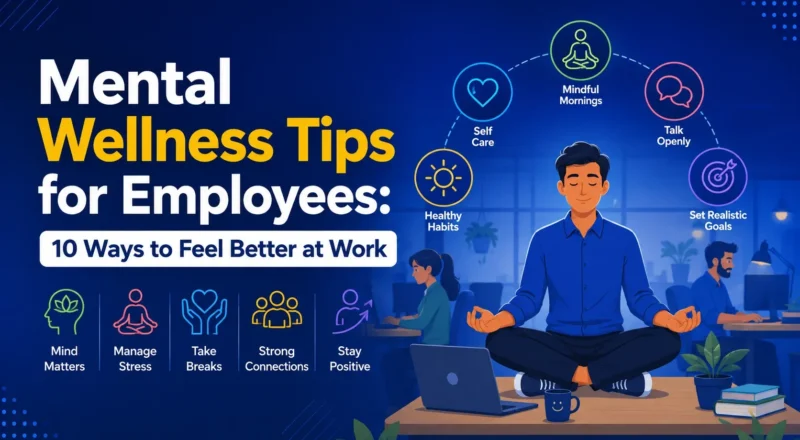
Work has its perks, but non-stop deadlines, endless meetings, overflowing inboxes, and blurry work-life boundaries take a heavy toll on you.
Workplace mental wellness means building healthy habits to handle pressure, keep up relationships, recover from tough days, and spot when you need extra help.
You don’t need a total lifestyle overhaul to feel better. Small habits (like taking real breaks, setting firm boundaries, sorting priorities, getting good sleep, and reaching out when you’re overwhelmed) make daily work much easier.
Here are 10 practical mental wellness tips for employees, practical employer strategies, common traps to avoid, and real options for getting help in the US.

Table of Contents
What is Mental Wellness at Work?
Mental wellness is your ability to handle daily pressure, balance your emotions, build solid relationships, and handle your daily life.
Stress, frustration, and exhaustion are normal human reactions. Having mental wellness at work means you have reliable ways to respond when those feelings hit.
An employee with solid habits will:
- Take proper breaks instead of grinding non-stop.
- Notice when a workload gets completely unrealistic.
- Talk through concerns with a manager.
- Keep work and personal time separate.
- Save time for sleep, exercise, hobbies, and family.
- Get professional support when things stay tough.
- Use company resources like an Employee Assistance Program (EAP).
Your workplace shapes your mental health, too. You can’t fix every work problem with personal habits alone. Workloads, management styles, job stability, discrimination, and office politics all impact how you feel.
10 Mental Wellness Tips for Employees
1. Start the workday with clear priorities
A massive to-do list makes every minor task feel like an emergency. One of the top mental wellness tips for employees is focusing on manageable daily workloads.
Pick 2 or 3 core responsibilities that actually matter for the day instead of tackling everything at once.
Try this approach:
- Write down everything on your plate.
- Pick out tasks with real, tight deadlines.
- Select your top 2 or 3 priorities.
- Chop huge projects into small steps.
- Push low-priority tasks to tomorrow.
If you have a big task, don’t write down “Finish the entire marketing project.” Split it up:
- Review project details.
- Check last month’s numbers.
- Draft section 1.
- Book a 20-minute check-in with your team.
Bite-sized actions are way easier to start, so you won’t feel nearly as overwhelmed.
Quick tip: Spend 5 minutes planning your actual goals every morning before opening Slack or checking email.
2. Take real breaks during the workday
Taking actual breaks is basic advice, but most people ignore it. Practical mental wellness tips for employees often emphasize stopping before burnout strikes.
Grinding through 4 hours straight feels productive, but your focus and energy drop fast.
A solid break can be super short. Try to:
- Walk outside for 5 minutes.
- Grab a glass of water.
- Stretch your legs.
- Eat lunch away from your screen.
- Find a quiet spot to sit.
- Chat briefly with a coworker.
- Turn off notifications for a bit.
The main goal is getting real distance from your work.
Don’t turn your lunch break into a meeting or type emails while chewing. If you work at a desk, a quick 3-minute stroll around the floor completely resets your brain.
3. Set healthy work-life boundaries
Modern tech lets us work from anywhere at any time. That convenience makes it brutal to shut your brain off after hours.
Set up simple rules for yourself:
- Stop checking work emails the second you wake up.
- Set a firm end time for your workday.
- Mute non-urgent notifications when you log off.
- Stop answering casual messages at 9 p.m.
- Put work phones in another room during personal time.
- Tell your team when you’re available and when you’re off.
For concrete ideas on creating distinct boundaries between your professional and personal hours, explore these examples of work-life balance.
You aren’t ignoring real emergencies here. You’re just stopping 24/7 availability from becoming your default setting.
If you wrap up at 5:30 p.m. but keep checking Slack until 10:00 p.m., your brain thinks you never stopped working. Firm boundaries give your mind room to reset.
4. Learn to recognize early signs of stress
Stress is much easier to tackle if you catch the early warning signs. Useful mental wellness tips for employees always include building self-awareness around stress signals.
Watch out for symptoms like:
- Feeling irritable all day.
- Trouble focusing on basic tasks.
- Waking up exhausted after 8 hours of sleep.
- Changes in your sleeping patterns.
- Zero motivation to get things done.
- Constant worrying about work tasks.
- Unexplained headaches or neck tension.
- Pulling away from friends or coworkers.
- Inability to relax on weekends.
A tough week happens to everyone. But if these issues stick around for weeks, take action.
Ask yourself: “Does my mood feel totally different from normal?”
If so, figure out what shifted. You might need to adjust your workload, re-prioritize tasks, or talk to a doctor or therapist.
5. Communicate when your workload becomes unmanageable
People often hide their heavy workload from managers because they fear looking weak or incompetent.
Speaking up early stops a temporary overload from spiraling into total burnout.
Don’t just say, “I can’t handle this anymore.” Give exact details.
Try this phrasing: “I have 4 major deadlines this week. I can finish the client report and the presentation by Friday, but I’ll need to move another task. Which one should I prioritize?”
This transforms a broad complaint into a clear, solution-focused conversation.
When you sit down with your manager, lay out:
- What you’re currently working on.
- Which deadlines are coming up first.
- Where the scheduling conflict sits.
- What you’ve already finished.
- What specific help or priority decision you need.
Good managers will reassign tasks, extend deadlines, or give you extra resources.
6. Protect your sleep and recovery time
Your mental health relies heavily on physical rest.
If work routinely ruins your sleep, you’ll struggle to focus, manage your emotions, or handle daily stress.
Build simple sleep habits like:
- Going to bed around the same time every night.
- Creating a calm 20-minute wind-down routine.
- Stopping late-night work sessions.
- Putting screens away before sleeping.
- Keeping your bedroom cool and dark.
- Doing something non-work related in the evenings.
Establishing these restorative routines can help you enjoy a peaceful good night’s sleep that recharges your body and mind.
You don’t need a 10-step bedtime ritual. Just give your brain enough downtime to rest after a long day.
If sleep problems won’t go away and ruin your days, speak with a doctor.
7. Move your body during the day
Regular movement works wonders for your stress levels, making physical activity one of the simplest mental wellness tips for employees to put into action.
You don’t need intense crossfit workouts to get the benefits.
Try small daily movements:
- Take a 10-minute walk on your lunch break.
- Use the stairs instead of the elevator.
- Stretch out your shoulders between long sitting sessions.
- Walk around your neighborhood right after work.
- Join a local sports league.
- Stick to an exercise habit you actually enjoy.
A short 15-minute walk right after a rough meeting creates a clear physical break between work stress and the rest of your day. Pick activities you can safely stick with long-term.
8. Stay connected with people
Feeling isolated at work makes tough weeks feel twice as hard.
Solid connections give you perspective, encouragement, and a place to vent.
Try to:
- Grab lunch with a teammate.
- Text or call a good friend during your break.
- Phone a family member after your shift.
- Join an internal company group or chat channel.
- Get involved in local community events.
- Maintain strong friendships outside of work.
Keep in mind that coworkers don’t need to be your main emotional outlet. Working with a personal development coach or talking to a licensed therapist can also help you navigate interpersonal challenges and career goals.
9. Use workplace mental health resources
Most US employers offer benefits that workers completely ignore.
Depending on where you work, you might have access to:
- Employee Assistance Programs (EAPs).
- Therapy coverage through health insurance.
- Free counseling referrals.
- Wellness apps and perks.
- Flexible work arrangements.
- Dedicated mental health days or PTO.
- Peer support groups.
- Occupational health services.
Check your employee handbook, log in to your benefits portal, or message HR to see what you get.
If you have a qualifying mental health condition under the Americans with Disabilities Act (ADA), you can request reasonable workplace accommodations. The U.S. Equal Employment Opportunity Commission (EEOC) notes that this includes modified schedules, leave for medical treatment, remote work, or altered communication styles.
You don’t need formal legal jargon to ask for an accommodation. Just state that you need a work adjustment for a medical reason, though HR may ask for a medical note for backup.
Since employment laws vary by state and local jurisdiction, check with a legal professional or state government agency if you have questions about your rights.
10. Know when to ask for professional help
Self-care helps, but it won’t replace real medical care when you need it.
Connect with a qualified mental health professional if your struggles are:
- Sticking around for weeks.
- Getting worse over time.
- Messing up your work or personal life.
- Ruining your sleep and daily routines.
- Making normal tasks feel impossible.
- Causing intense distress.
Don’t wait for a total crisis to reach out. Talk to your primary doctor, a licensed therapist, psychologist, or psychiatrist.
If you are struggling with substance use or need confidential guidance, organizations like the Substance Abuse and Mental Health Services Administration (SAMHSA) offer free national helpline support.
If you’re in an immediate mental health emergency or feel unsafe, call emergency services or a crisis line right away instead of reading wellness articles.
Mental Wellness Tips for Employees Working Remotely

Working from home gives you flexibility, but it also blurs the line between your job and your personal life. Following tailored mental wellness tips for employees who work remotely helps maintain clear boundaries.
Use this simple table to address common remote work issues:
| Challenge | Practical Response |
| Working longer hours | Set a firm stopping time |
| Feeling isolated | Schedule actual social time |
| Too many notifications | Mute non-essential alerts |
| Sitting all day | Take quick movement breaks |
| Working from bed | Set up a dedicated desk |
| Endless meetings | Block out time for deep work |
| Trouble switching off | Build an end-of-day shutdown routine |
A workday shutdown ritual works wonders. When you wrap up:
- Check what’s unfinished.
- Jot down tomorrow’s top 3 tasks.
- Close every single work tab and app.
- Put your laptop inside a drawer or backpack.
- Do something totally unrelated to work immediately.
This simple ritual signals to your brain that work is over.
What Employers Can Do to Support Employee Mental Wellness
Companies can’t expect workers to fix workplace stress entirely on their own. Combining structural support with individual mental wellness tips for employees creates a workplace culture where people can actually thrive.
You can build great habits, but managers control workloads, company culture, autonomy, and psychological safety.
Smart organizations protect employee well-being by:
- Setting reachable project goals.
- Encouraging actual daily breaks.
- Teaching managers how to spot burnout.
- Setting reasonable communication hours.
- Providing confidential EAP support.
- Cutting down on useless meetings.
- Giving staff control over how they work.
- Stopping harassment, discrimination, and bullying fast.
- Building clear channels to request help.
- Protecting worker privacy and medical details.
The EEOC confirms that qualified workers with mental health conditions have full legal protection against discrimination under the ADA. Organizations like the Centers for Disease Control and Prevention (CDC) also provide guidelines for structured workplace health programs.
A healthy workplace doesn’t vanish all stress, but it gives people reasonable conditions and real tools to handle pressure.
Common Mental Wellness Mistakes Employees Should Avoid
- Ignoring early warning signs: Small red flags are easy to fix compared to full-blown burnout.
- Treating every email like a fire: Most messages can wait. Constant interruptions ruin deep focus.
- Skipping breaks to look busy: Grinding through lunch doesn’t mean you’re producing better work.
- Using alcohol or drugs to numb stress: Relying on substances to handle job pressure creates way worse problems down the road. Seek professional help if substance use becomes a concern.
- Trying to handle everything by yourself: Asking for support isn’t weakness. Managers, HR reps, and therapists see things from angles you can’t spot alone.
- Expecting self-care to fix a toxic workplace: Yoga, meditation, and good sleep won’t solve extreme workloads, toxic bosses, or active discrimination.
A Simple 5-Minute Mental Wellness Routine at Work
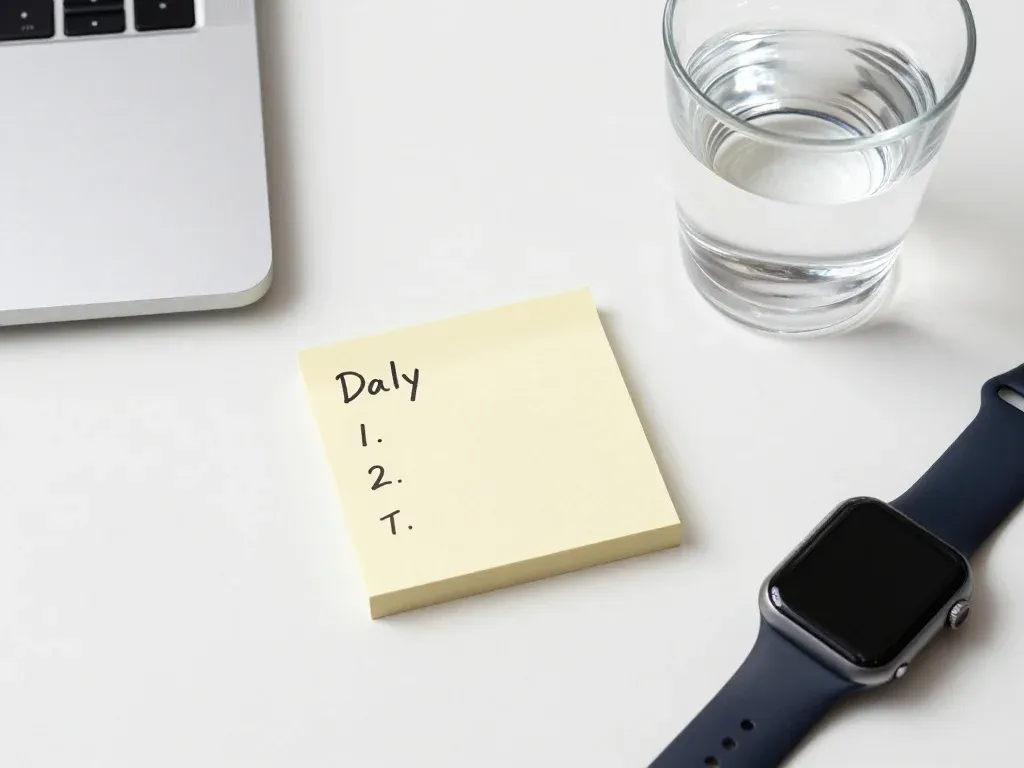
When you’re pressed for time, these quick mental wellness tips for employees can be executed in a 5-minute reset:
- Minute 1: Stop typing and take 3 deep, slow breaths.
- Minute 2: Drink water and step away from your computer.
- Minute 3: Pick the single most important task to tackle next.
- Minute 4: Write down random distractions on a sticky note to handle later.
- Minute 5: Sit back down and focus exclusively on that 1 priority.
This won’t solve all your problems in 5 minutes, but it breaks the panic cycle and gives you back control over your attention.
Frequently Asked Questions About Mental Wellness at Work
What are the best mental wellness tips for employees?
The best mental wellness tips for employees include taking regular breaks, setting work-life boundaries, focusing on top priorities, getting 7-8 hours of sleep, exercising, staying connected with friends, speaking up about heavy workloads, and getting professional help when needed.
How can employees reduce stress at work?
Implementing daily mental wellness tips for employees—such as focusing on 2 or 3 priorities, splitting projects into tiny steps, taking real breaks, muting unnecessary notifications, telling your boss when work piles up, and logging off on time—significantly reduces stress.
Why is mental wellness important for employees?
Your mental state directly impacts focus, motivation, decision-making, and workplace relationships. Staying mentally healthy makes work manageable for you and keeps teams running smoothly.
Can employees request mental health accommodations in the USA?
Yes. If you have a qualifying mental health condition under the ADA, you can request accommodations like modified schedules, leave for treatment, altered communication methods, or remote work.
When should an employee seek professional mental health support?
Get help if severe stress, low mood, anxiety, or sleep trouble lasts for weeks, gets worse, or hurts your ability to work and live your life.
Conclusion: Make Mental Wellness Part of Your Work Routine
You don’t need to feel calm and cheerful every single day. Work gets stressful, deadlines pile up, and tough situations happen.
What matters is how you handle those moments and whether you give yourself time, support, and space to recover.
The best mental wellness tips for employees are straightforward: prioritize tasks, take real breaks, guard your personal hours, stay social, move your body, sleep well, speak up when workloads get crazy, and ask for help when you’re struggling.
If stress feels unbearable, don’t just tell yourself to “work harder.” Figure out where the pressure comes from and make 1 small change to fix it.
Pick 1 habit from this list and try it today. Small steps beat trying to overhaul your entire life overnight.