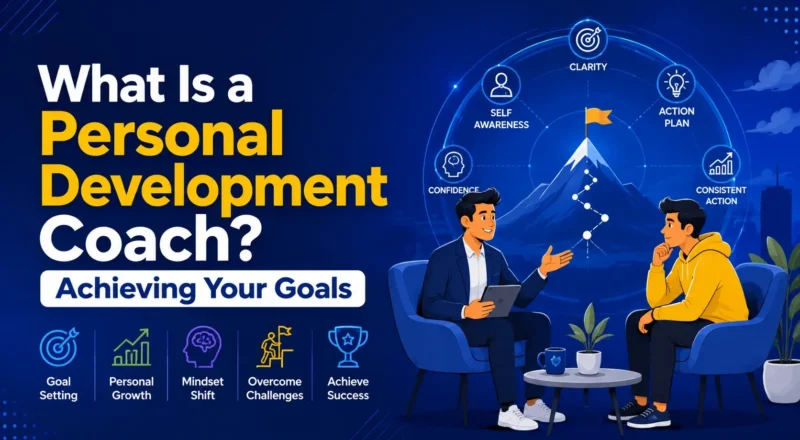

Personal growth rarely happens on its own. You might want to build confidence, improve relationships, advance your career, or create better habits. Having the right guidance makes the process faster and far more effective. If you have ever wondered what is a personal development coach and how they can help you achieve your goals, this comprehensive guide has the answers.
Interest in personal development coaching has grown substantially in recent years. More people are looking for structured support to reach their personal and professional potential.
Quick Answer (Featured Snippet)
What is a personal development coach? A personal development coach is a trained professional who helps individuals identify goals, improve their mindset, build positive habits, overcome obstacles, and stay accountable to achieve meaningful personal and professional growth.
What Is a Personal Development Coach?
A personal development coach is a professional trained to help individuals identify goals, overcome obstacles, improve their mindset, and build the habits necessary for positive change.
While therapists usually focus on healing past emotional issues or treating mental health conditions, a personal development coach focuses on your present situation and your goals for the future.
In short, a personal development coach helps you reach your full potential by providing accountability, clarity, and practical strategies for growth.
Core Areas Coaches Assist With:
- Building confidence and self-esteem
- Improving communication and interpersonal skills
- Increasing daily productivity
- Developing leadership skills
- Managing time effectively
- Creating healthy habits
- Setting achievable personal and professional goals
- Finding purpose and direction
- Achieving a healthier balance in life
What Is Personal Development Coaching?
Personal development coaching is a structured, strategic process. It helps people grow through guided conversations, goal setting, and steady accountability.
Coaches rarely give direct advice. Instead, they ask thoughtful questions to help clients find their own solutions and unlock their internal motivation.
The 6 Stages of the Coaching Process
| Stage | Purpose |
| 1. Goal Setting | Identify clear personal or professional objectives. |
| 2. Self-Assessment | Understand strengths, weaknesses, beliefs, and daily habits. |
| 3. Action Planning | Create realistic, step-by-step plans toward desired outcomes. |
| 4. Accountability | Track progress and stay committed to action items. |
| 5. Reflection | Evaluate successes, setbacks, and key learnings. |
| 6. Continuous Improvement | Adjust strategies as personal and professional goals evolve. |
This systematic approach gives clients the actionable tools needed to make lasting improvements rather than depending on temporary motivation.
What Does a Personal Development Coach Actually Do?
A coach handles different tasks depending on the client’s unique needs and aspirations.
1. Helps Clarify Goals
Many people know they want something to change, but they don’t know exactly what that looks like.
- Vague Idea: “I want to be happier.”
- Clear Goal: “I want to build healthier routines that reduce daily stress and improve my energy within six months.”
2. Identifies Limiting Beliefs
Personal challenges are often tied to negative thought patterns. These internal barriers might include:
- “I’m not good enough.”
- “I always fail at new habits.”
- “I’m too old to change careers.”
- “I don’t deserve success.”
A coach helps you spot these limiting beliefs and replace them with healthier, more constructive perspectives.
3. Builds Positive Habits
Success relies heavily on daily habits rather than single decisions. Much like learning how to lose weight with a personal trainer, working with a development coach provides structured routines that lead to measurable progress.
A coach can help you build routines around:
- Morning planning and time management
- Exercise routines (such as evaluating will treadmill reduce belly fat or starting a cardio schedule)
- Focus and reading habits
- Journaling and self-reflection
- Professional networking
- Financial planning
Practicing small improvements consistently produces significant results over time.
4. Improves Accountability
Coaching works largely because of consistent accountability. You are much more likely to follow through on commitments when someone regularly checks your progress.
Accountability sessions often involve:
- Reviewing milestone progress
- Celebrating wins
- Identifying unexpected obstacles
- Adjusting action plans
- Setting clear priorities for the next week
5. Develops Self-Confidence
Action builds confidence. According to research published by the Harvard Business Review, structured coaching significantly boosts self-efficacy and workplace confidence.
Coaches help clients:
- Recognize and celebrate achievements
- Practice difficult conversations
- Face fears gradually
- Build resilience after setbacks
Who Can Benefit from Personal Development Coaching?
Almost anyone who wants to improve their current situation can benefit.
- Professionals: Individuals looking for promotions, leadership roles, or career transitions.
- Entrepreneurs: Business owners who use coaches to improve decision-making, team leadership, productivity, and confidence.
- College Students: Students getting ready for professional careers, interview preparation, or overall personal growth.
- Individuals Facing Life Changes: People navigating career changes, marriage, divorce, retirement, relocation, or parenthood.
- Anyone Feeling Stuck: People experiencing burnout, feeling unmotivated, overwhelmed, directionless, or struggling to find clear examples of work-life balance.
Comparing Roles: Understanding Key Differences
To better understand what is a personal development coach, it helps to compare this role with other professional support systems.
Personal Development Coach vs. Life Coach
| Feature | Personal Development Coach | Life Coach |
| Primary Focus | Self-growth, mindset, and skill development | Broader life goals and lifestyle changes |
| Core Emphasis | Personal capability and habit building | Overall life satisfaction, relationships, health |
| Approach | Skill- and goal-oriented | Holistic life overview |
| Outcome | Long-term habit transformation | General life balance |
Note: In practice, many coaches blend elements of both approaches depending on client needs.
Personal Development Coach vs. Therapist
Understanding this distinction is essential before choosing a practitioner:
| Feature | Personal Development Coach | Therapist / Counselor |
| Time Horizon | Present state and future growth | Past experiences and emotional recovery |
| Core Goal | Action plans and goal achievement | Mental health treatment and clinical diagnosis |
| Licensing | Industry certifications | Licensed healthcare provider |
| Primary Tool | Strategic action plans and accountability | Clinical treatment strategies |
If someone is dealing with depression, anxiety, trauma, or clinical mental health conditions, seeking help through the American Psychological Association directory or a licensed therapist is necessary rather than coaching alone.
Benefits of Personal Development Coaching
Committing to structured coaching yields measurable benefits across all areas of life:
- Greater Self-Awareness: Understanding your strengths and blind spots improves everyday decision-making.
- Increased Confidence: Confidence naturally grows as you consistently hit your target milestones.
- Better Communication: Coaching programs frequently cover active listening, negotiation, and conflict resolution.
- Stronger Leadership Skills: Professionals improve delegation, emotional intelligence, and executive communication.
- Improved Productivity: Coaches help eliminate distractions, prioritize high-impact tasks, and build sustainable workflow routines.
- Healthier Lifestyle Habits: Positive routines naturally extend to exercise, balanced nutrition, stress management, and peaceful good night sleep well habits.
- Clearer Career Direction: Clients gain clarity regarding career transitions, promotions, starting businesses, or continuing education.
What Happens During a Coaching Session?
While every coach brings a unique coaching style, most standard sessions follow a structured 5-step format:
- Step 1: Review Progress — Discuss wins, milestone accomplishments, and challenges experienced since the last session.
- Step 2: Explore Obstacles — Identify internal or external roadblocks holding up current progress.
- Step 3: Develop Solutions — Brainstorm practical, realistic actions to resolve issues.
- Step 4: Create an Action Plan — Establish specific tasks and key takeaways to complete before the next meeting.
- Step 5: Confirm Accountability — Agree on measurable benchmarks for tracking results.
Sessions usually last 45 to 60 minutes and take place weekly or biweekly via video calls or in-person meetings.
How Much Does a Personal Development Coach Cost in the US?

Coaching prices vary based on experience, specialization, credentials, and geographic location:
| Coach Level | Typical Price Range |
| New Coach | $50 – $100 per session |
| Experienced Coach | $100 – $250 per session |
| Executive or Specialist Coach | $250 – $600+ per session |
Many coaches also offer comprehensive options such as monthly retainer packages, group coaching programs, online video courses, workshops, and corporate training contracts. Higher fees do not automatically guarantee a better outcome; personal alignment, coaching style, and mutual trust matter just as much.
How to Choose the Right Personal Development Coach
Finding a coach who aligns with your personal goals is critical for long-term success.
- Define Your Primary Goals: Know exactly what areas you want to improve (e.g., confidence, career progression, leadership, productivity, or relationships).
- Check Credentials and Experience: Look for credentials accredited by recognized bodies like the International Coaching Federation (ICF), as well as verified client testimonials.
- Schedule an Introductory Call: Take advantage of discovery sessions to ask key questions:
- What is your core coaching framework?
- What type of clients do you specialize in assisting?
- How do you measure progress and performance?
- How do we pivot if my initial goals evolve?
- Evaluate Communication Style: Choose a coach who listens actively, challenges your assumptions respectfully, and holds you accountable.
- Consider Logistics: Factor in your budget, schedule availability, session frequency, and preference for online vs. in-person meetings.
Common Mistakes to Avoid
To maximize your investment in coaching, avoid these common pitfalls:
- Expecting Instant Results: Sustainable growth requires continuous, dedicated effort over time.
- Choosing Based Solely on Price: The lowest-priced option may not possess the expertise required for your specific needs.
- Neglecting Action Steps: Coaching is most effective when you actively implement action items between sessions.
- Expecting the Coach to Do the Work: A coach provides guidance, accountability, and clarity; they do not make decisions for you.
- Quitting Too Early: Lasting cognitive and habit changes typically require several months of consistent practice.
Is Personal Development Coaching Worth It?
For motivated individuals, personal development coaching offers exceptional return on investment by providing:
- Greater mental clarity and focus
- Faster goal achievement and skill acquisition
- Improved confidence and self-efficacy
- Sustainable daily routines
- Direct, reliable accountability
- Accelerated career and personal progression
The ultimate results depend heavily on your personal commitment, open communication with your coach, and your willingness to execute action plans consistently.
Frequently Asked Questions
What qualifications should a personal development coach have?
Coaching is not government-regulated or licensed like therapy. However, reputable coaches complete professional training accredited by organization bodies like the International Coaching Federation (ICF) and demonstrate proven client results.
How long does personal development coaching take?
Most coaching programs run between 3 and 12 months. Some clients engage short-term coaching for a specific project or career shift, while others keep a coach long-term for ongoing accountability.
Can personal development coaching help with career growth?
Yes. Professionals frequently use personal development coaching to enhance leadership capabilities, public speaking, decision-making, executive presence, and long-term career planning.
Is online coaching as effective as in-person coaching?
Online coaching is equally effective for most people. Virtual meetings offer scheduling flexibility, eliminate commute times, and grant access to top coaches worldwide regardless of geographic location.
How often should I meet with a personal development coach?
Most clients meet weekly or biweekly. This cadence provides enough time to implement action steps while maintaining strong momentum and accountability.
Conclusion
Understanding what is a personal development coach is the essential first step in deciding whether coaching fits your growth journey. A skilled coach offers the structure, accountability, and practical tools required to clarify your aspirations, build positive habits, and achieve lasting success.
Whether your goal is to advance your professional career, master leadership skills, or cultivate balance, personal coaching offers a proven framework for turning potential into reality.
Ready to invest in your future? Explore our complete guides on examples of work-life balance and setting healthy routines to take your next step today!